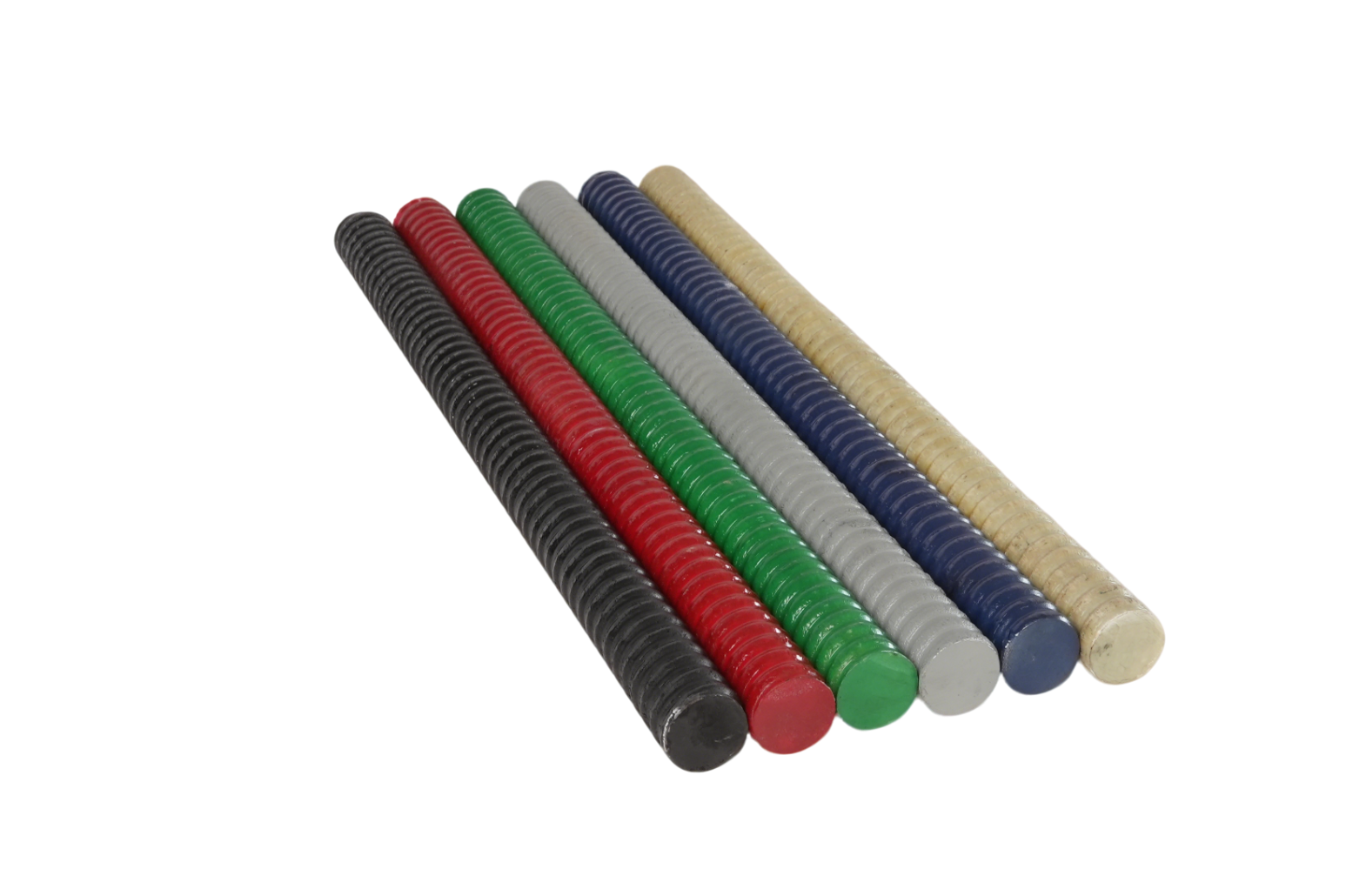
GFRP rebar
Product Advantages
- 1Fiberglass-reinforced composite with tensile strength exceeding 600MPa
- 2Elastic modulus ≥ 40 GPa, density only 1/4 that of steel
- 3非磁性材料的理想选择,适用于对电磁干扰敏感的工程
- 4耐腐蚀性能优异,适用于海洋工程和化工环境
- 5Lightweight design reduces transportation and construction costs
- 6超长使用寿命,大幅降低维护成本
参考价格
¥16-38/米
*具体价格根据规格和数量而定
应用场景
I. Product Overview
GFRP筋,全称为玻璃纤维增强树脂基筋材(Glass Fiber Reinforced Polymer Bar),是以无碱玻璃纤维无捻粗纱(含碱量<1%,符合GB/T 18369标准)为增强材料,以耐候性环氧树脂或乙烯基酯树脂为基体,通过连续拉挤-表面刻肋复合工艺制成的带肋或光圆筋材。
GFRP bars are the most widely used, technologically mature, and cost-effective non-metallic composite reinforcement globally. They serve as the ideal alternative to traditional steel rebar in corrosive environments, specifically addressing durability challenges in concrete structures caused by steel corrosion. As the foundational material for various GFRP rock bolts, anchor cables, and waterstop tie rods, GFRP bars are a key driver advancing civil engineering materials toward high performance and sustainability.
二、材料构成与生产工艺
1. Raw Material Composition
| Components | Share | 功能 |
|---|---|---|
| 无碱玻璃纤维(E-glass) | 60%~75% | 主承载增强体,提供抗拉强度 |
| synthetic resin matrix | 20%~30% | 粘结纤维、传递载荷、保护纤维 |
| 辅助剂(偶联剂等) | <5% | 改善界面性能、提高耐久性 |
玻璃纤维通常选用无碱玻璃纤维(E-glass)或耐化学型高强玻璃纤维(ECR-glass),单丝直径10~20μm,以无捻粗纱形式集束使用,纵向排列提供极高的轴向强度。基体树脂以乙烯基酯树脂最为常见(耐腐蚀、工艺性好),环氧树脂用于高耐久性场合,不饱和聚酯树脂用于一般环境。
2. 拉挤成型工艺
拉挤工艺是生产GFRP筋最核心、最高效的制造方法:
Step 1: Fiber Spinning and Impregnation
将玻璃纤维无捻粗纱从纱架上引出,穿过装有树脂、脱模剂、填料等混合均匀的浸胶槽,使纤维束被树脂充分浸透。
Step 2: High-temperature curing and molding
The impregnated fiber bundle undergoes high-temperature curing in a heated mold. The inner surface of the mold features reverse-threaded grooves, which directly form continuous threaded patterns on the rib material's surface. The fiber volume fraction is typically controlled between 60% and 75%.
Step 3: Traction and Cutting
The cured reinforcement is continuously pulled by a牵引 device, cooled and shaped, then automatically cut to the set length. Dimensional tolerance is controlled within ±0.5mm.
Step 4: Surface Treatment (Optional)
对螺纹筋可进一步进行表面喷砂或硅烷偶联处理,使筋材与水泥基体的粘结强度提升40%以上。
3. 表面形式
| Type | 特点 | Use Cases |
|---|---|---|
| Ribbed GFRP Rebar | 表面有连续螺旋肋/横肋,与混凝土握裹力强 | 混凝土结构配筋,应用最广泛 |
| Smooth GFRP Rebar | Smooth surface for easy threading | 预应力筋、锚索、特殊工程需求 |
采购建议:与混凝土粘结是GFRP筋设计的核心环节,优先选用带肋筋材。光面筋和带肋筋的粘结性能差距巨大,价差仅10%~15%,务必选择带肋产品。
三、产品分类与技术参数
1. 主要产品分类及适用场景
| Product Type | Structural Features | 主要优势 | Use Cases |
|---|---|---|---|
| Ribbed GFRP Rebar | Continuous helical ribs on the surface | 粘结性能好,施工简便 | 普通混凝土结构配筋、楼板、墙体、基础 |
| Smooth GFRP Rebar | Smooth surface for easy threading | 摩擦力小,便于张拉 | 预应力筋、锚索、加固工程 |
| 中空GFRP筋 | 中心有通孔,可注浆 | 兼具加固与注浆功能 | 锚杆、锚索、隧道超前支护 |
| GFRP绞线 | 由多根GFRP丝捻制而成 | 柔韧性好,可盘卷运输 | Large-span prestressed structures, slope reinforcement |
| GFRP stirrups | 预制成型的箍筋 | Precise dimensions, high construction efficiency | 梁柱节点、剪力墙边缘构件 |
2. 常见规格与技术参数
| Nominal Diameter (mm) | Tensile Strength (MPa) | Ultimate Tensile Strength (kN) | 弹性模量(GPa) | Weight per unit (kg/m) |
|---|---|---|---|---|
| 6 | ≥600 | 17 | ≥40 | 0.06 |
| 8 | ≥600 | 30 | ≥40 | 0.10 |
| 10 | ≥600 | 47 | ≥40 | 0.16 |
| 12 | ≥600 | 68 | ≥40 | 0.23 |
| 14 | ≥600 | 92 | ≥40 | 0.31 |
| 16 | ≥600 | 121 | ≥40 | 0.40 |
| 18 | ≥600 | 153 | ≥40 | 0.51 |
| 20 | ≥600 | 188 | ≥40 | 0.63 |
| 25 | ≥600 | 295 | ≥40 | 0.98 |
注:长度可根据工程需要定制,一般为3m~12m,也可盘卷供应(盘卷直径≥1.5m)。
3. 与主要建筑筋材性能对比
| Performance Metrics | HRB400钢筋 | GFRP bars | BFRP筋 | CFRP筋 |
|---|---|---|---|---|
| Density (g/cm³) | 7.85 | 1.9~2.1 | 1.9~2.1 | 1.6 |
| Tensile Strength (MPa) | 400 | 600~1000 | 800~1200 | 1500~2200 |
| Elastic Modulus (GPa) | 200 | 40~45 | 45~50 | 140~160 |
| Alkali resistance (in concrete) | Poor (Rusty) | 良好(需树脂保护) | 优秀(天然耐碱) | 优秀 |
| 耐温性(长期使用℃) | 400 | 80~120 | 150~200 | 150 |
| 市场价格(元/吨) | ~4500 | ~12000 | ~16000 | ~90000 |
| 应用成熟度 | 极高 | High | CN | Low |
四、核心优势(对比传统钢筋与其他复合筋材)
1. 彻底解决锈蚀问题,延长结构寿命
- 非金属材质,在酸碱盐、氯离子及潮湿环境中Rust-free
- 不会因锈蚀膨胀导致混凝土开裂、剥落和钢筋截面积减小
- 使用寿命可达50~70年,与普通混凝土结构同寿命
- 彻底消除地下工程、海洋工程后期渗漏和结构加固的巨额成本
2. 轻质高强,显著降低施工成本
- Density is only 1.9~2.1g/cm³, approximately 1/4 that of steel.
- Tensile strength ≥ 600MPa; high-strength products exceed 1000MPa, which is 1.5–2.5 times that of HRB400 rebar.
- 人工搬运安装无需机械辅助,单人可轻松操作,施工效率提升30%以上
- Significantly reduces transportation and lifting costs, making it ideal for projects in remote areas such as mountains and tunnels.
3. 安全环保,适用特殊场景
- 不导电、无磁性:Electromagnetic interference-free; ideal for sensitive facilities such as hospitals, laboratories, subways, communication base stations, and radar stations.
- Spark-free cutting:可在高瓦斯、易燃易爆的煤矿井下和化工环境中安全使用
- Excellent cutability:可被盾构机、掘进机直接切割穿越,不会成为永久地下障碍物
- 无放射性:Made from natural minerals with zero "three wastes" emissions during production, meeting green building and dual carbon strategy requirements.
4. 性价比最高的复合筋材
- 价格仅为玄武岩纤维筋(BFRP)的70%~80%,碳纤维筋(CFRP)的15%~20%
- 技术标准最完善,施工工艺最成熟,市场供应最充足
- 在腐蚀环境中,全生命周期成本比钢筋低30%~50%
5. 良好的力学与物理性能
- 应力应变曲线呈线性关系,断裂前有一定预兆
- 热膨胀系数与混凝土接近(纵向7~10×10⁻⁶/℃),温度变化时界面应力小
- 耐疲劳性能优于普通钢筋,在动荷载作用下表现稳定
五、GFRP筋与BFRP筋选型对比
| 对比项 | GFRP bars | BFRP筋 | 胜出方 |
|---|---|---|---|
| Tensile Strength | 800~160 MPa | 600~120 MPa | GFRP |
| Elastic Modulus | 40~55GPa | 40~55GPa | Flat |
| 极限伸长率 | 1.5%~2.5% | 2.0%~3.5% | BFRP |
| 耐碱性 | 差,E-glass会被碱腐蚀 | 优,玄武岩天然耐碱 | BFRP完胜 |
| 耐酸性 | Excellent | Excellent | Flat |
| 耐氯盐 | Excellent | Excellent | Flat |
| 长期耐温 | 树脂决定,上限约120℃ | 树脂决定,上限约200℃ | BFRP |
| 成本 | Lower | Higher | GFRP |
选型决策铁律
- 酸性/氯盐环境 → GFRP和BFRP都行,GFRP性价比更高
- Alkaline environment (concrete internal pH ≈ 12.5–13.5) → BFRP selection is required,GFRP筋会被慢慢"吃掉"
- High-temperature environment (continuous exposure above 120°C) → 选BFRP
- Limited budget, short-term projects (<10 years)→ GFRP offers the best cost-performance ratio
- 长期项目(>30年) → GFRP需用AR-glass,BFRP更稳妥
Six Top Questions Engineers and Buyers Must Ask
问题一:GFRP筋和BFRP筋到底选哪个?
GFRP bars offer higher strength, but BFRP bars outperform them in alkali and temperature resistance. Selection depends on the environment—choose what's right for the application, not just what's "better."
这是GFRP筋最大的阿喀琉斯之踵:玻璃纤维在强碱环境下会发生脱碱反应,纤维表面被腐蚀,强度逐年衰减。而玄武岩纤维本身就是硅酸盐矿物,天生耐碱。关键判断:GFRP offers the best value in acidic/chloride environments; BFRP is required for alkaline environments (within concrete).
问题二:GFRP筋的力学性能到底够不够用?
抗拉强度绰绰有余,但刚度低、延性差是硬伤,不能简单替换钢筋。
| 性能参数 | HRB400钢筋 | GFRP bars | 倍数关系 |
|---|---|---|---|
| Tensile Strength | 40 MPa | 800~160 MPa | GFRP是钢筋的2~4倍 |
| Elastic Modulus | 200GPa | 40~55GPa | GFRP仅为钢筋的1/4~1/5 |
| 极限伸长率 | 16%~20% | 1.5%~2.5% | GFRP仅为钢筋的1/10 |
| Density | 7850kg/m³ | 1900~2100kg/m³ | GFRP仅为钢筋的1/4 |
Three Core Conflicts:强度高但刚度低 → 同样荷载下挠度是钢筋混凝土的2~3倍;没有屈服平台 → 钢筋会先变形预警再断,GFRP筋直接脆性断裂;伸长率极低 → 构件破坏时无延性,突然断裂。设计铁律:不能直接套用GB 50010钢筋混凝土规范,必须按GB/T 38968或ACI 440.1R进行FRP筋专用设计,配筋率需比钢筋方案提高30%~50%来补偿刚度不足。
问题三:GFRP筋最致命的弱点——耐碱性到底有多差?
这是GFRP筋和BFRP筋的分水岭,也是很多工程翻车的根本原因。
Mechanism:混凝土孔隙液pH值高达12.5~13.5。普通E-glass玻璃纤维中的SiO₂和Al₂O₃会与OH⁻发生反应,纤维表面被逐步溶解→纤维直径变细→强度衰减→最终丧失承载力。
| 浸泡条件 | GFRP筋强度保留率 | BFRP筋强度保留率 |
|---|---|---|
| 清水,23℃,1年 | 95%~100% | 98%~100% |
| Simulated concrete pore solution, 60°C, 1 years | 70%~85% | 95%~98% |
| Simulated concrete pore solution, 60°C, 5 years | 50%~70% | 90%~95% |
| Simulated concrete pore solution, 80°C, 5 years | 30%~50% | 85%~90% |
Engineering Reality:短期(<5年)项目:GFRP筋在混凝土中问题不大;长期(>20年)项目:GFRP筋在混凝土内部会持续劣化,不可逆;温度越高,劣化越快(每升高10℃,劣化速率约翻倍)。补救措施:Replace standard E-glass with alkali-resistant (AR) glass for 5–10 times better alkali resistance; apply an alkali-resistant coating to the bar surface; increase cover thickness to slow alkali exposure.Procurement Golden Rules:You must clarify whether E-glass or AR-glass is being used. E-glass is cost-effective but lacks alkali resistance, whereas AR-glass is more expensive but offers long-term durability in concrete.
Question 4: What is the bond performance with concrete? Will slippage or pull-out occur?
GFRP筋的粘结力是钢筋的60%~70%,是设计中最容易被低估的问题。
| 对比项 | steel reinforcement | GFRP bars |
|---|---|---|
| Bonding mechanism | 机械咬合+摩擦+化学胶结 | Primarily relies on mechanical interlocking (surface ribs) |
| Bond Strength | High | 偏低,约为钢筋的60%~70% |
| Failure Mode | 钢筋屈服后缓慢滑移 | 突然拔出,无预兆 |
为什么差?GFRP筋表面是树脂基体,光滑;没有钢筋的肋纹咬合力(除非做了表面处理);弹性模量低→裂缝处筋体与混凝土变形不协调→粘结应力集中。工程对策:选用带肋GFRP筋(表面缠绕砂粒或螺旋肋)→粘结力↑30%~50%;锚固长度增大40%~60%;末端做90°弯钩→锚固力↑20%~30%;搭接长度≥50d(远大于钢筋的35d)。采购时必须确认:是光面筋还是带肋筋?光面筋粘结力差,带肋筋价格只贵10%~15%,永远选带肋的。
Question 5: Is it heat-resistant? What is its fire performance?
比钢筋耐温差,瓶颈在树脂,不在玻璃纤维。
| 材料 | 耐温能力 |
|---|---|
| 玻璃纤维本身 | Above 500°C |
| General Unsaturated Polyester Resin | 60~80°C (long-term) |
| 乙烯基酯树脂 | 100~130°C (long-term) |
| 环氧树脂 | 100~150°C (long-term) |
| 酚醛树脂 | 150~200°C (long-term) |
Real-world performance in fire scenarios:<100℃:完全正常;100~200℃:树脂开始软化,强度下降20%~40%;200~300℃:树脂分解,强度急剧下降;>300℃:筋体基本失效。Compare Rebar:钢筋在500℃以下强度基本不变,600℃才开始明显下降。防火设计要点:普通建筑(室内<60℃)完全没问题;有防火要求的构件需增加保护层厚度≥25mm或涂刷防火涂料;隧道/地下空间必须按耐火极限验算。
问题六:怎么施工?能弯折吗?能切割吗?
不能焊接,弯折有限制,切割必须加水冷却。施工禁忌比钢筋多得多。
| 操作 | steel reinforcement | GFRP bars | Contraindications |
|---|---|---|---|
| 切割 | Grinder for arbitrary cutting | Grinders and diamond blades: Water cooling is required. | 干切→树脂过热→切口强度损失30%+ |
| Bend | Cold-bendable up to 180° | Minimum bending radius ≥ 15d; do not bend repeatedly. | 反复弯折→微裂纹→强度骤降 |
| 焊接 | Yes | 绝对不可以 | 树脂燃烧分解,产生有毒气体 |
| Tie | 铁丝随便绑 | Must use nylon cable ties/plastic ties | 铁丝嵌入表面→应力集中→断裂起点 |
| Lap | 35d即可 | ≥50d,或用专用机械连接器 | 搭接不够→滑脱拔出 |
施工现场最常见的三个错误:Bending GFRP bars with rebar cutters → direct fracture or micro-cracks → very high occurrence; Tying with wire → wire tips embed into the bar, creating a fracture initiation point → very high occurrence; Dry cutting without water → strength loss of over 30% at the cut section → high occurrence.采购建议:Select suppliers that provide on-site technical briefings. While GFRP rebar training is low-cost, the consequences of skipping it are extremely high.
问题七:价格到底贵不贵?综合成本怎么算?
材料单价是钢筋的3~5倍,但在腐蚀环境下,全生命周期成本反而更低。
| 对比项 | steel reinforcement | GFRP bars |
|---|---|---|
| Unit Price of Material | 3500~4500 CNY/ton | 12000~25000 CNY/ton |
| 运输成本 | 重 | 轻75%,运费大幅降低 |
| 施工人工 | 需多人、需焊接 | Single-operator; efficiency ↑30% |
| Maintenance Cost | 定期除锈、修补 | 零维护 |
| Service Life in Corrosive Environments | 15~25年(氯盐) | 50+ years, with virtually no degradation |
Total Cost of Ownership Comparison(以100年计,氯盐腐蚀环境):钢筋方案:初始100万 + 第25年维修80万 + 第50年更换120万 = 300K+;GFRP筋方案:初始180万 + 零维护 = 180k。Conclusion:普通环境选钢筋更经济;氯盐/酸性/潮湿环境,GFRP筋的全生命周期成本可低30%~40%。
问题八:有没有国家标准?设计院认不认?
国标有了,但落地执行参差不齐,这是很多工程师不敢用的真实原因。
| Standard Number | Name | 状态 |
|---|---|---|
| GB/T 38968-2020 | Fiber-Reinforced Polymer Bars | 现行,产品检测依据 |
| GB 50608-2020 | Technical Standard for Engineering Application of Fiber-Reinforced Polymer Composites | 现行,设计依据 |
| JGJ/T 406-2017 | Technical Specification for Application of Fiber-Reinforced Polymer Bars | 现行,施工依据 |
| ACI 440.1R-15 | 美国FRP筋设计指南 | International Reference |
| CSA S807 | 加拿大FRP筋标准 | International Reference |
现实痛点:国标有了,但很多地方设计院没做过FRP筋设计,不敢签字;部分项目需要做专项论证或专家评审,增加前期工作量;沿海省份(广东、福建、海南、浙江)推进较快,内陆省份接受度较低。采购建议:要求供应商能提供已完工项目的设计图纸和验收报告。有案例可查,设计院才敢用。
问题九:长期蠕变和疲劳性能如何?能用50年吗?
这是GFRP筋最大的不确定性所在。短期数据充足,长期数据仍在积累。
| Performance | steel reinforcement | GFRP bars | 说明 |
|---|---|---|---|
| 蠕变 | 极小 | 明显,约为瞬时应变的1.5~2倍 | 50年后挠度可能增加30%~50% |
| 疲劳 | 有明确S-N曲线 | 无明显疲劳极限,需降额使用 | Special verification required for cyclic loading scenarios |
| stress relaxation | Small | 较大,预应力损失10%~20% | 预应力GFRP筋需特别注意 |
50-Year Life Expectancy:室内/地下(无UV):强度保留率85%~95%;室外有防护涂层:80%~90%;室外无防护:60%~75%;高温高湿(>60℃):50%~70%;碱性混凝土内部(E-glass):50%~70%(AR-glass可达85%+)。保守设计建议:长期荷载下GFRP筋强度取折减系数0.65~0.75。不建议在不可维修的关键结构中单独使用。
Question 10: What scenarios are GFRP rebars best suited for? Which scenarios absolutely prohibit their use?
用对了是神器,用错了是事故。
| ✅ Best use cases | ❌ 绝对不推荐的场景 |
|---|---|
| Chloride Corrosion Environment (Cross-Sea Bridges, Deicing Salt Roads) | 高温持续>120℃的工业厂房 |
| 酸性环境(污水处理厂、化工池) | 需要大延性的抗震主结构(单独使用) |
| 潮湿隧道二衬 | Prestressed main girder (uncontrollable creep + relaxation) |
| Temporary structures (5–15 years) | 长期暴露在紫外线下且无防护 |
| Electromagnetic Insulation Requirements (Substations, MRI Rooms) | 需要反复弯折的预制构件 |
| 轻量化需求(移动板房、装配式建筑) | 消防要求极高且无防火措施的建筑 |
| 桥梁维修加固(免焊、轻便) | Long-term use in alkaline environments with E-glass |
性价比最高的"甜蜜点":氯盐腐蚀 + 中等跨度板梁 + 室内或有遮蔽 + 5~20年设计寿命 → GFRP筋的绝对主场,综合成本比钢筋低30%以上。
七、主要工程应用领域
1. Transportation Engineering
- 公路与铁路桥梁:桥面铺装、箱梁、桥墩、桥台配筋,特别是跨海桥梁和盐碱地区桥梁
- Tunnel Engineering: Tunnel lining, invert arch, and advance support can be directly cut through by the shield machine.
- Roadbed Engineering: Slope Reinforcement, Soft Ground Treatment, and Retaining Wall Reinforcement
2. Water Resources and Hydropower, and Marine Engineering
- Reservoir Dam: Dam Face, Spillway, and Energy Dissipation Basin Reinforcement
- 港口码头:码头桩、护岸、防波堤、系船柱
- 输水工程:输水管道、渡槽、水闸、泵站,避免锈蚀导致的水质污染
- 海上风电:基础承台、塔筒配筋,耐海水腐蚀性能优异
3. Construction Engineering
- 地下工程:地下室底板、侧墙、顶板配筋,彻底解决渗漏问题
- 工业建筑:化工厂房、污水处理厂、垃圾焚烧厂、电镀车间等强腐蚀环境建筑
- 特殊建筑:医院核磁共振室、实验室、通信基站、核电站等对电磁干扰敏感的建筑
4. 市政工程
- 地下管廊:管廊主体结构配筋,使用寿命长,无需维护
- 地铁工程:地铁车站、区间隧道衬砌,无电磁干扰
- 城市道路:人行道、非机动车道、检查井周边加固
5. 矿山与岩土工程
- 煤矿井下:巷道支护、顶板加固,切割无火花,安全可靠
- Slopes and Excavations: Slope Reinforcement, Excavation Support, Anti-flotation Anchors
- 采空区处理:采空区充填与加固
八、施工方法与注意事项
1. 常规施工流程
- Cutting:根据设计长度使用金刚石锯片或专用切割锯切割,必须加水冷却,禁止使用气割和电焊
- Tie:使用尼龙扎带或专用绑扎带绑扎,禁止使用铁丝
- Install:按照设计要求安装筋材,确保保护层厚度符合规定
- Concrete Pouring:浇筑混凝土时避免振捣棒直接撞击筋材
- 养护:Cure according to standard concrete curing requirements.
2. 关键施工注意事项
- GFRP筋不能承受过大的横向力和剪切力,搬运和安装时应避免弯折和撞击
- 弯曲半径不宜小于筋材直径的15倍,禁止直角弯折和反复弯折
- Use dedicated GFRP tendon tensioning equipment and anchors during tensioning. Steel bar anchors are prohibited.
- 存放时应避免阳光直射和雨淋,防止树脂老化,存放期不宜超过6个月
- 切割筋材时应佩戴防护眼镜和口罩,防止玻璃纤维碎屑进入眼睛和呼吸道
3. 设计提醒
GFRP筋为线弹性脆性材料,破坏前无屈服平台。设计时采用强度折减系数,并避免将其用于需要延性耗能的抗震关键部位(需专门设计)。搭接须用专用卡具或绑扎带,弯折须工厂预制,现场严禁弯折。
九、执行标准
| 标准号 | Standard Name | 适用范围 |
|---|---|---|
| JG/T 406-2013 | Fiber-Reinforced Polymer Bars for Civil Engineering Applications | 产品标准 |
| GB 50608-2020 | Technical Standard for Engineering Application of Fiber-Reinforced Polymer Composites | 工程建设技术规范 |
| GB/T 38968-2020 | Fiber-Reinforced Polymer Bars | Product National Standards |
| T/CWEC 47-2024 | 《玻璃纤维锚杆支护工程技术规范》 | Group Standard |
| DB32/T 4783-2024 | Technical Specification for Application of Fiber-Reinforced Polymer Bars in Excavation Engineering | 地方标准 |
| DB34/T 5065-2016 | 《玻璃纤维增强复合材料筋地下工程应用技术规程》 | 地方标准 |
十、购买建议:为何选择安徽森德新材料科技发展有限公司?
在地铁隧道、深基坑围护、沿海工程、煤矿巷道及电磁敏感建筑中,GFRP筋(玻璃纤维增强聚合物筋)因其轻质高强、耐腐蚀、非磁性、易切割等特性,正逐步替代传统钢筋。安徽森德新材料科技发展有限公司凭借以下核心优势,成为工程单位值得信赖的合作伙伴。
1. 专注复合材料筋材——源头实体工厂,实力可靠
- Legitimate Manufacturing Entity:公司成立于2017年,位于安徽滁州全椒经济开发区,注册资本2000万元,拥有约3.7万㎡生产基地、50+员工及多条自动化拉挤生产线,非贸易中间商
- 技术研发驱动:持有30余项专利,与科研院所开展产学研合作,产品质控对标国际先进标准
- System certification complete:通过ISO9001质量管理体系及ISO14001环境管理体系认证,产品附带第三方检测报告及出厂合格证
2. GFRP筋产品性能优异——符合行业标准,指标过硬
Sund's "Fiberglass Rebar" is manufactured via pultrusion using high-performance alkali-free fiberglass and a resin matrix. Available in diameters from Φ8 to Φ40 mm, its key performance specifications are:
| Performance Metrics | Typical Parameters for Sund GFRP Rebar | 对比普通钢筋优势 |
|---|---|---|
| Tensile Strength | ≥350~1100 MPa(视规格) | 高于同规格钢筋约20% |
| 密度/重量 | 1.5~1.9 g/cm³,约为钢筋的1/4 | Effortless moving. Reduce labor and equipment costs. |
| Elastic Modulus | ≥40 GPa | Meets structural design code requirements |
| Corrosion Resistance | 耐酸/碱/氯离子侵蚀 | Suitable for offshore, subway, and chemical environments |
| 混凝土粘结 | 表面压纹处理,握裹力强 | 热膨胀系数接近混凝土 |
| 其他特性 | 非磁性、绝缘、阻燃、可切割 | 适合盾构穿越、磁悬浮/雷达站 |
执行标准:《土木工程用玻璃纤维增强筋》JG/T 406-2013。
3. 大型央企国企长期合作——经重大工程验证
森德GFRP筋已广泛供应于轨道交通、水利、煤矿及公路项目,合作单位包括:
- 中铁、中铁建、中交、中建各局——多地地铁围护桩/地下连续墙玻璃纤维筋笼项目
- 国家能源集团、神东煤炭、华能北方Fiberglass Rock Bolts and GFRP Rebars for Mine Roadways
- 沿海码头、高速公路、深基坑支护等市政工程
多次入围大型央企集采/中标候选人,产品稳定性与履约能力获主流总包方认可。
4. Engineering Customization Services and Supply Assurance
- 规格定制:可按图纸加工不同直径、长度、螺纹/压纹表面,支持异形件定制
- 现货+产能:常用规格备有库存,大批量订单按期交付,支持全国发货
- Complementary Services:Provide product test reports, material certificates, 13% VAT invoices, and on-site technical support follow-up.
- 性价比优势:Factory-direct supply eliminates intermediaries, delivering competitive pricing while maintaining premium import-grade quality.
5. 适用范围一览
- Temporary reinforcement for subway/tunnel diaphragm walls (directly cuttable by shield tunneling)
- 沿海码头、跨海桥梁浪溅区耐腐蚀配筋
- 磁浮/雷达站/医院MRI室非磁性结构
- 煤矿巷道、边坡锚固用FRP筋/锚杆
- Special anti-corrosion components for highways and water conservancy projects
小结:如果您需要的是质量达标、有大型工程业绩背书、能提供定制供货与技术支持的GFRP筋生产厂家,而非单纯低价散货——安徽森德新材料科技发展有限公司从工厂实力、产品性能到项目验证均具备明显竞争优势,是工程采购的优选合作方。
一句话总结:GFRP筋是腐蚀环境下的高性价比方案,强度高、重量轻、免维护,但刚度低、延性差、不耐碱(E-glass)、怕火、怕UV。选带肋筋、选AR-glass(碱性环境)、配专用连接器、做好防火和防紫外线措施——这五步做到位,它就是氯盐和酸性环境里最省钱、最省心的那根筋。但如果是碱性长期环境或高温场景(>120℃持续),请转身选BFRP。